Alright, let's talk about taking down a tree. I get it, you're a homeowner, you're handy, and you're looking at that dying cottonwood in your backyard thinking, "I can handle that." Maybe you can, maybe you absolutely can't. There's a big difference between pruning a small branch and felling a mature tree that could crush your garage or worse.
Before You Even Think About Cutting
First things first, you need to assess the situation. This isn't just about the tree itself, but everything around it. Look up: are there power lines? Look down: are there fences, sheds, your kid's swing set, or your neighbor's prize-winning petunias? What about your house? Or your neighbor's house? A tree falling the wrong way isn't just an inconvenience; it's a disaster waiting to happen.
Next, consider the tree's health and size. Is it a small, dead sapling that you can push over with one hand? Or is it a massive Ponderosa pine that's been there since before Laurel was even a town? If it's leaning, diseased, or showing signs of internal rot, it's unpredictable. You can't just guess which way it's going to fall. The wind, the weight distribution, the angle of the cut – it all plays a part.
Here's a big one: local regulations. Some trees are protected, or you might need a permit, especially if it's a large tree or near public property. It's always best to check with the city of Laurel planning department first. You don't want to get hit with a fine on top of a potential property damage bill.
When DIY is Possible (and When It's Not)
So, what can you realistically do yourself? If you're dealing with small trees, say, less than 10-15 feet tall, or dead branches that you can reach safely from the ground or a very stable ladder without overextending, you might be okay. You'll need the right tools: a sharp chainsaw (and know how to use it safely!), safety glasses, hearing protection, gloves, and a hard hat. Seriously, don't skimp on the safety gear.
For anything larger, anything near structures, power lines, or anything that looks like it could be a tricky fall, you need to stop. Just stop. That's when you call someone like us at Laurel Tree Solutions. We've got the specialized equipment – lifts, ropes, rigging, and the experience to know exactly how to bring a tree down safely, piece by piece if necessary, without damaging anything around it. I've seen too many homeowners try to be heroes and end up with a tree through their roof or, worse, seriously injured. It's just not worth the risk.
Think about the soil conditions too. We get some pretty heavy clay soils around Laurel, especially in the older neighborhoods closer to the Yellowstone River. If a tree's roots aren't well-anchored, or if the ground is saturated from a spring thaw, that adds another layer of unpredictability to a DIY removal.
During the Project: If You're Doing It Yourself
If you've decided it's a small enough job for you to handle, plan your escape route. Seriously. Know exactly where you're going to stand and where you'll run if things go sideways. Clear the area of anything that could trip you. Make your cuts correctly – an undercut and a felling cut. If you don't know what those are, you probably shouldn't be cutting down a tree.
Have a spotter with you. Someone who can watch the tree, watch for hazards, and help you if something goes wrong. And please, for the love of all that's holy, don't climb a ladder with a running chainsaw. That's a recipe for disaster.
After the Tree is Down
Okay, so you've successfully brought down a small tree or branch. Now what? You've got a pile of wood and branches. You'll need to decide if you're going to cut it up for firewood, chip it, or haul it away. Renting a wood chipper can be a good option for smaller branches, but it's another piece of equipment you need to learn to operate safely.
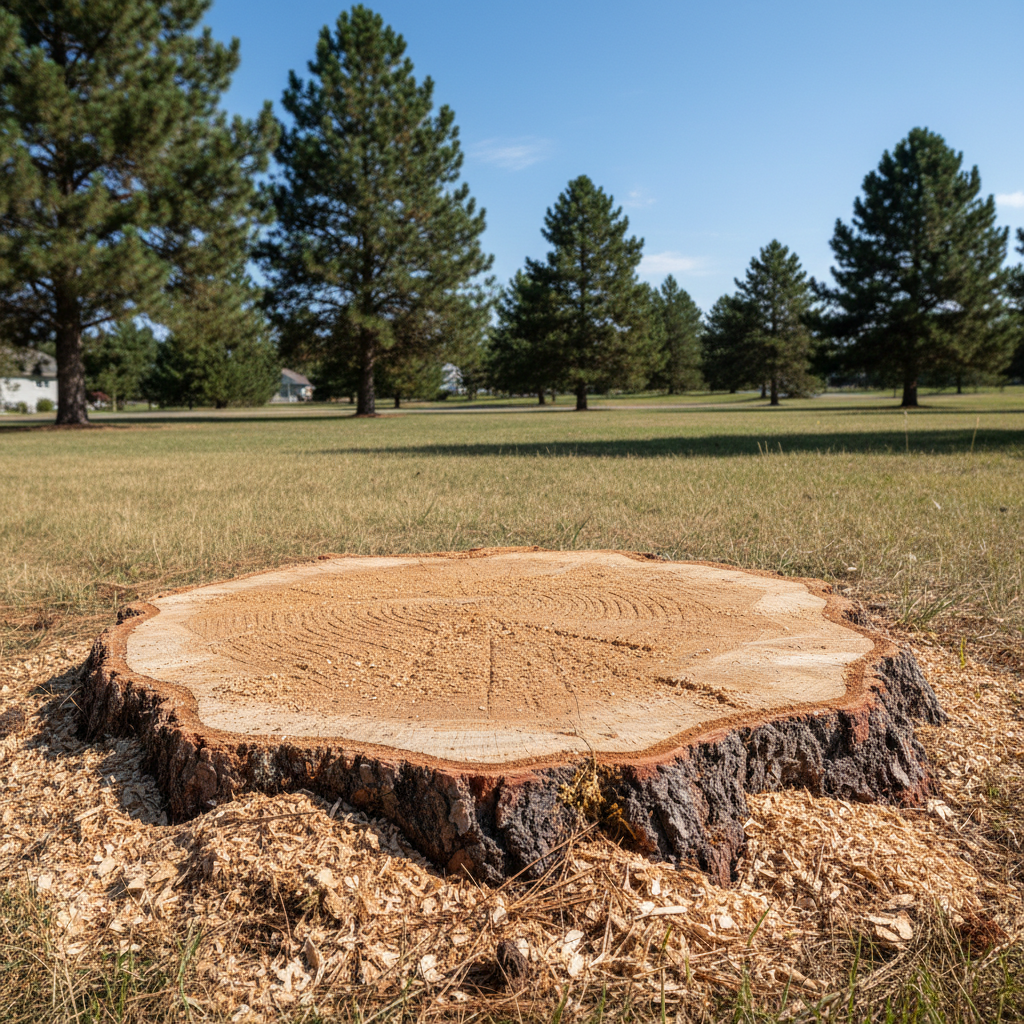
For larger trunks, you'll need a splitting maul or a hydraulic splitter if you're going for firewood. Otherwise, you're looking at hauling it to the landfill or finding a service that will pick up green waste. Don't forget about the stump. Are you going to leave it? Grind it? Dig it out? Stump grinding is usually a job for specialized equipment, so that's another point where you might want to call in a pro.
Look, I'm all for homeowners tackling projects they can handle. It saves money, and there's a real sense of accomplishment. But when it comes to tree removal, especially anything beyond a small sapling or a few low branches, the risks far outweigh the rewards of doing it yourself. Your safety, your property, and your peace of mind are worth more than saving a few bucks. Give us a call at Laurel Tree Solutions if you're ever in doubt. We're happy to give you an honest assessment.