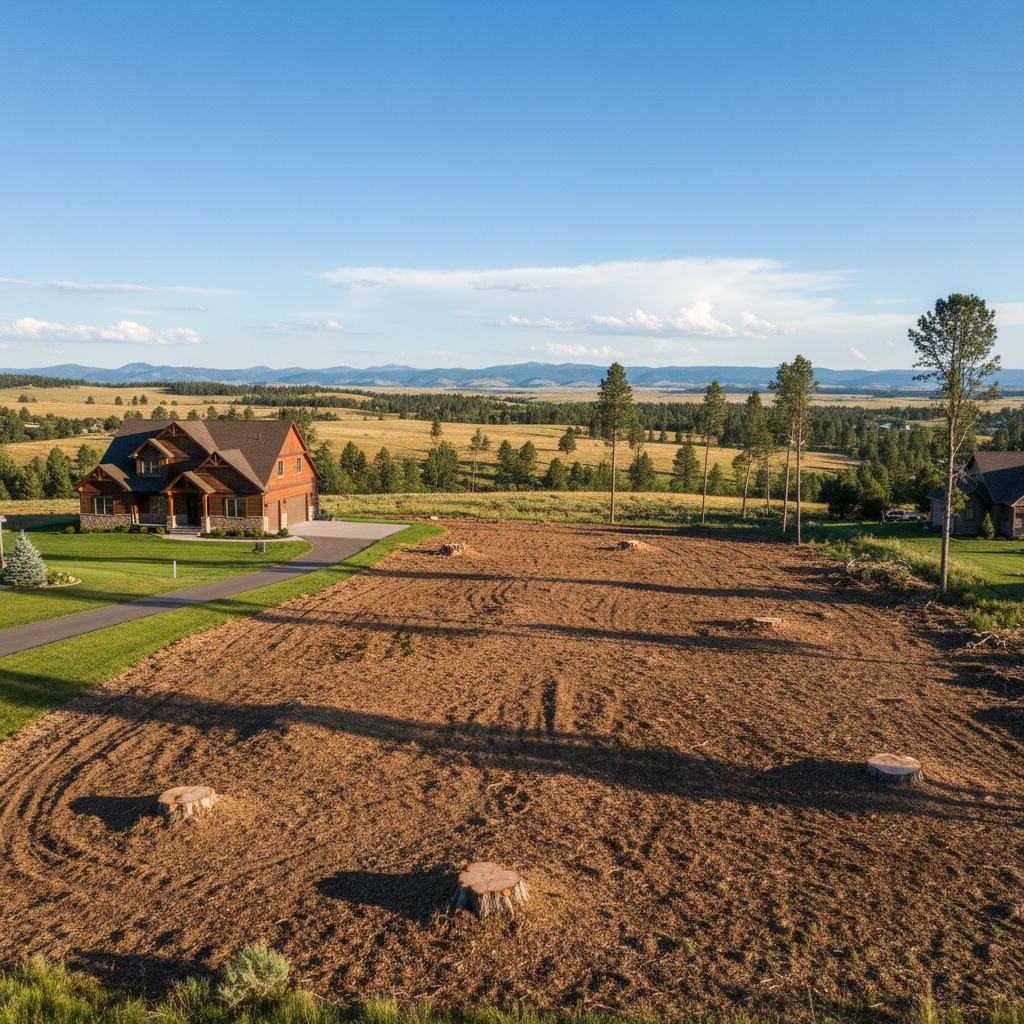
So, you've got a piece of land in Laurel that needs clearing. Maybe you're planning to build, expand your yard, or just finally tackle that overgrown section. Whatever the reason, lot clearing isn't just about firing up a chainsaw and going to town. It's a project that needs a plan, and I've seen enough jobs around here to know that a little foresight saves a lot of headaches and money.
Setting Your Timeline: What to Expect
How long does lot clearing take? That's the million-dollar question, and the answer is always, "It depends." But I can give you a general idea. You're not just looking at the actual work time; you've got prep and follow-up too.
- Initial Inquiry & Site Visit (1-2 weeks): First call, then a contractor comes out to look at your land. This isn't just a quick glance; we're assessing tree types, density, terrain, access, and any potential challenges like steep slopes or existing structures.
- Permits & Approvals (2-6 weeks, or more): This is often the biggest variable. Depending on the size of your lot, what you're clearing, and what you plan to do with the land afterward, you might need permits from the city or county. Don't skip this step! You don't want to get halfway through and find out you're violating an ordinance.
- Scheduling the Work (1-4 weeks): Once permits are in hand, you'll get on the contractor's schedule. Good crews are usually booked out a bit, especially during peak building seasons here in Montana.
- Actual Clearing Work (Days to several weeks): This is where the heavy machinery comes in. A small, lightly wooded lot might be a few days. A large, heavily forested area, especially with big cottonwoods or a lot of underbrush, could easily take a few weeks. We're talking about everything from felling trees to grinding stumps, chipping brush, and hauling away debris.
- Site Cleanup & Grading (1-2 weeks): After the major clearing, there's usually some final grading, raking, and general tidying up. You want a clean slate, not a mess of roots and ruts.
All told, from your first call to a clean, cleared lot, you're realistically looking at anywhere from 6 weeks to 3 months, sometimes longer if permits are tricky or it's a huge job. Plan ahead, especially if you have a construction deadline.
Preparing Your Property for the Crew
You can make the process smoother for everyone involved. Here's what I recommend you do before the crew shows up:
- Mark Your Boundaries: Make sure your property lines are clearly marked. You don't want us clearing your neighbor's prize-winning lilac bush, and they certainly don't want us on their land. If you're unsure, get a surveyor out there.
- Clear the Immediate Area: Move anything valuable or fragile out of the work zone. Garden ornaments, kids' toys, patio furniture, even vehicles. We'll be using heavy equipment, and things can get dusty and messy.
- Identify Keepers: If there are specific trees or areas you absolutely want to save, mark them clearly. Bright flagging tape works great. Don't assume we know what you want to keep.
- Discuss Access: Think about how equipment will get in and out. Are there gates that need to be unlocked? Low-hanging branches on your driveway? Let your contractor know about any tight spots or obstacles.
- Inform Neighbors: It's just good neighborly practice. Let them know there will be noise, dust, and heavy equipment for a period. A quick heads-up can prevent complaints.
What to Ask Before You Sign That Contract
This is where you protect yourself and ensure you're getting a fair deal from a reputable company. Don't be shy; ask these questions:
- What's included in the quote? Does it cover tree removal, stump grinding, brush chipping, hauling away debris, and site cleanup? Some quotes might seem low but only cover felling trees, leaving you with a mountain of brush.
- Are you licensed and insured? This is non-negotiable. Ask for proof of liability insurance and workers' compensation. If a crew member gets hurt on your property and they're not insured, you could be on the hook. Laurel Tree Solutions always carries full coverage, and any reputable company will.
- What's your experience with similar projects? Ask for references or photos of past lot clearing jobs. You want someone who knows what they're doing, especially with the mixed terrain we have around Laurel, from the river bottom to the benchlands.
- How will you handle debris? Will it be chipped on-site, hauled away, or burned (if local regulations allow)? What's the cost difference?
- What's the estimated timeline, and what factors could change it? Get a realistic timeframe and understand what might cause delays (weather, equipment breakdown, permit issues).
- What's your plan for protecting my property? How will they minimize damage to existing landscaping, driveways, or structures?
- Do you provide a written contract? Absolutely. It should detail the scope of work, timeline, total cost, payment schedule, and what happens if unforeseen issues arise. Don't ever agree to a handshake deal for a big job like this.
Clearing a lot is a big undertaking, but with the right planning and the right crew, it doesn't have to be a nightmare. Do your homework, ask the tough questions, and you'll be well on your way to that clean slate you're looking for.